
Introduction
Cannabis edibles have undergone a significant transformation over the past several decades. What began as homemade recipes and small-scale preparations has evolved into a highly regulated industry focused on product consistency, quality control, and consumer education.
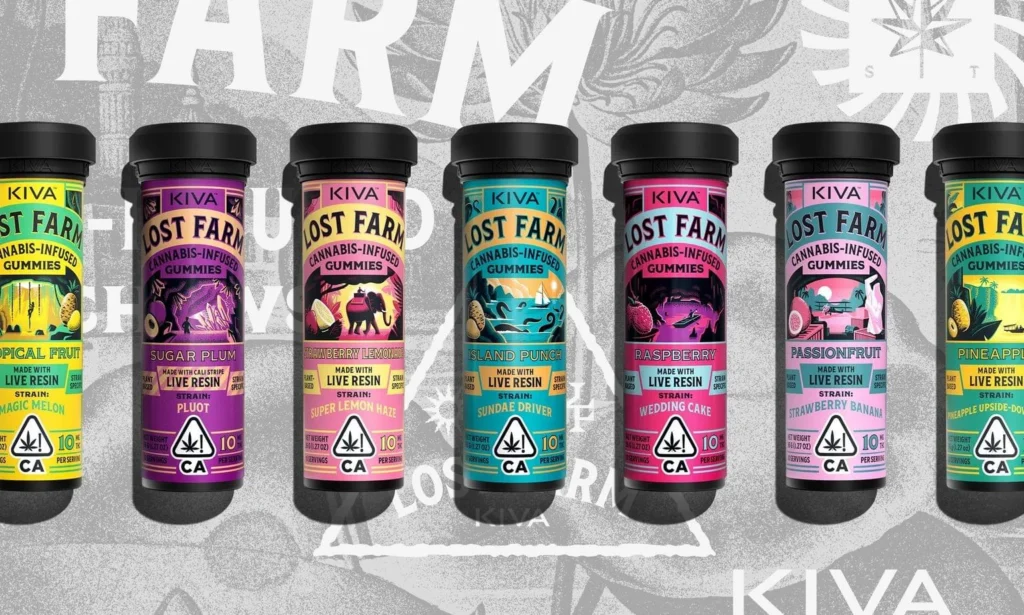
Today, brands such as Lost Farm are part of a broader movement toward professionally manufactured edible products that emphasize transparency, testing, and standardized production practices.
This article explores how cannabis edibles have evolved and the innovations that continue to shape the industry.
Early History of Cannabis Edibles
The concept of cannabis-infused foods is not new. Historical records suggest that cannabis has been incorporated into food and beverage preparations in various cultures for centuries.
In the modern era, homemade edible recipes became increasingly popular due to their simplicity and accessibility. However, these products often lacked consistency in ingredients, potency, and preparation methods.
As consumer demand increased, the industry began moving toward more structured manufacturing processes.
The Rise of Commercial Edible Products
The legalization of cannabis in various jurisdictions created opportunities for regulated edible production.
Manufacturers introduced:
- Standardized recipes
- Improved ingredient sourcing
- Quality assurance programs
- Product testing procedures
- Enhanced packaging standards
These developments helped establish consumer confidence while encouraging greater industry accountability.
Advances in Manufacturing Technology
Modern edible production relies on sophisticated manufacturing systems designed to improve consistency and quality.
Technological advancements include:
Precision Mixing
Manufacturers use specialized equipment to ensure ingredients are distributed evenly throughout production batches.
Controlled Production Environments
Many facilities utilize controlled environments to support quality assurance and product stability.
Automated Packaging
Automation helps improve efficiency while maintaining product consistency.
Quality Verification Systems
Multiple checkpoints throughout the production process help verify product specifications.
The Importance of Product Testing
Testing has become one of the most important aspects of modern cannabis manufacturing.
Laboratory analysis may evaluate:
- Product composition
- Consistency
- Purity
- Label accuracy
- Regulatory compliance
Testing helps support transparency and provides consumers with additional information regarding product quality.
Consumer Demand for Transparency
Today’s consumers are more informed than ever before. Many actively research products before making purchasing decisions.
Common areas of interest include:
- Ingredient sourcing
- Manufacturing practices
- Product testing
- Packaging information
- Company reputation
- Sustainability efforts
This demand for transparency continues to influence how manufacturers communicate with consumers.
Flavor Innovation in the Modern Market
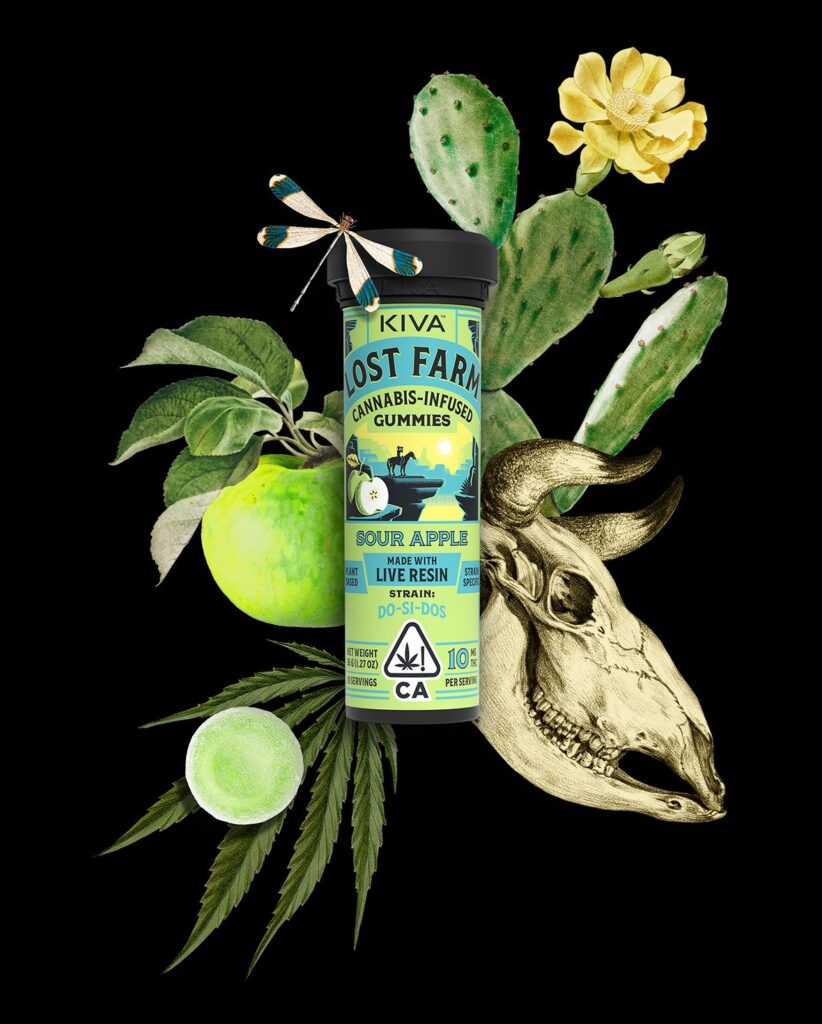
One of the most noticeable trends within the edible category is the growing emphasis on flavor development.
Manufacturers increasingly invest in:
- Fruit-inspired formulations
- Botanical flavor combinations
- Natural ingredient sourcing
- Texture optimization
- Product consistency
Flavor innovation has become a major competitive factor across the industry.
Packaging and Consumer Safety
Packaging standards have improved considerably over time.
Modern packaging often focuses on:
Product Protection
Packaging helps maintain freshness and product integrity.
Clear Labeling
Consumers benefit from transparent ingredient and product information.
Storage Guidance
Manufacturers frequently provide recommendations for proper storage and handling.
Regulatory Compliance
Packaging requirements vary by jurisdiction and continue to evolve alongside industry regulations.
Sustainability and Environmental Considerations
As environmental awareness increases, many companies are exploring ways to reduce their impact.
Industry initiatives may include:
- Sustainable sourcing practices
- Reduced packaging waste
- Energy-efficient manufacturing
- Responsible agricultural practices
Consumers increasingly value companies that prioritize environmental responsibility.
The Future of Cannabis Edibles
Several trends are expected to influence the next generation of edible products:
- Greater product transparency
- Improved manufacturing efficiency
- Enhanced quality standards
- Expanded consumer education
- Sustainable production practices
- Continued flavor innovation
As the industry matures, educational resources will remain an important component of consumer engagement.
Conclusion
The cannabis edibles industry has evolved dramatically from its early origins. Advances in manufacturing, testing, packaging, and consumer education have helped transform edible products into a sophisticated category focused on consistency and transparency.
Brands such as Lost Farm Edibles exist within this larger industry movement, reflecting broader trends toward quality assurance, innovation, and informed consumer decision-making. As technology and regulations continue to evolve, the future of cannabis edibles will likely be shaped by ongoing improvements in product quality, sustainability, and consumer education.